Reliability in Pipe Manufacturing – Data-Driven ROI Benefits
See how data-driven pipe fabrication cuts rework, boosts throughput, and delivers measurable ROI through digital traceability.
Find out more

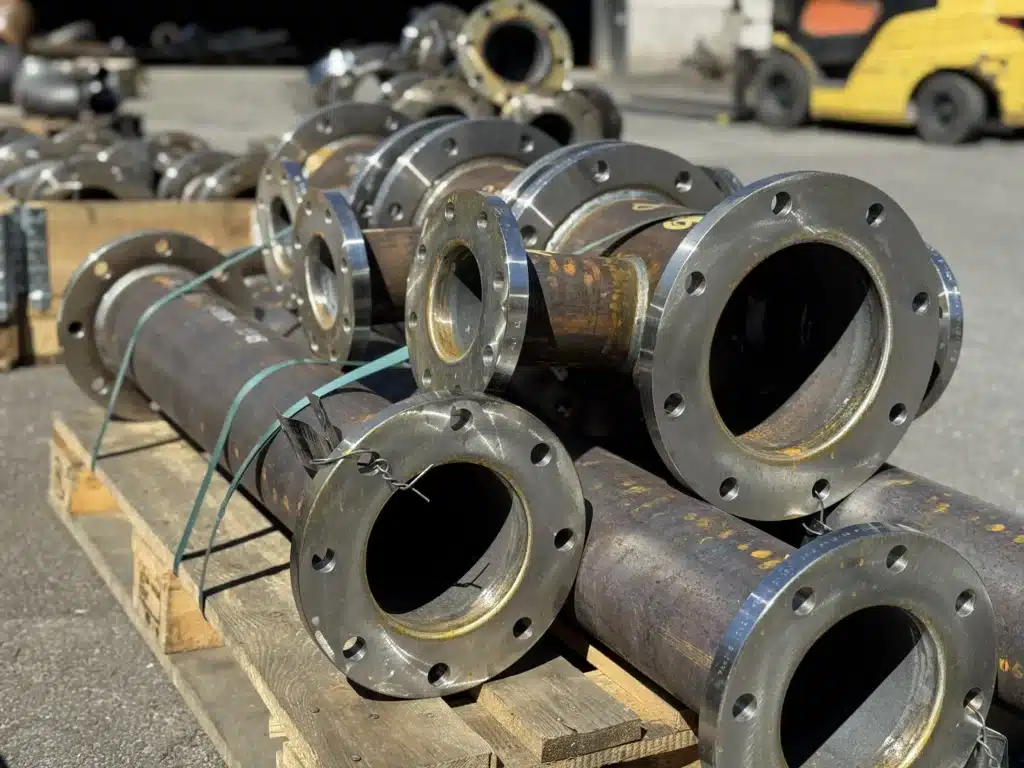
See how data-driven pipe fabrication cuts rework, boosts throughput, and delivers measurable ROI through digital traceability.
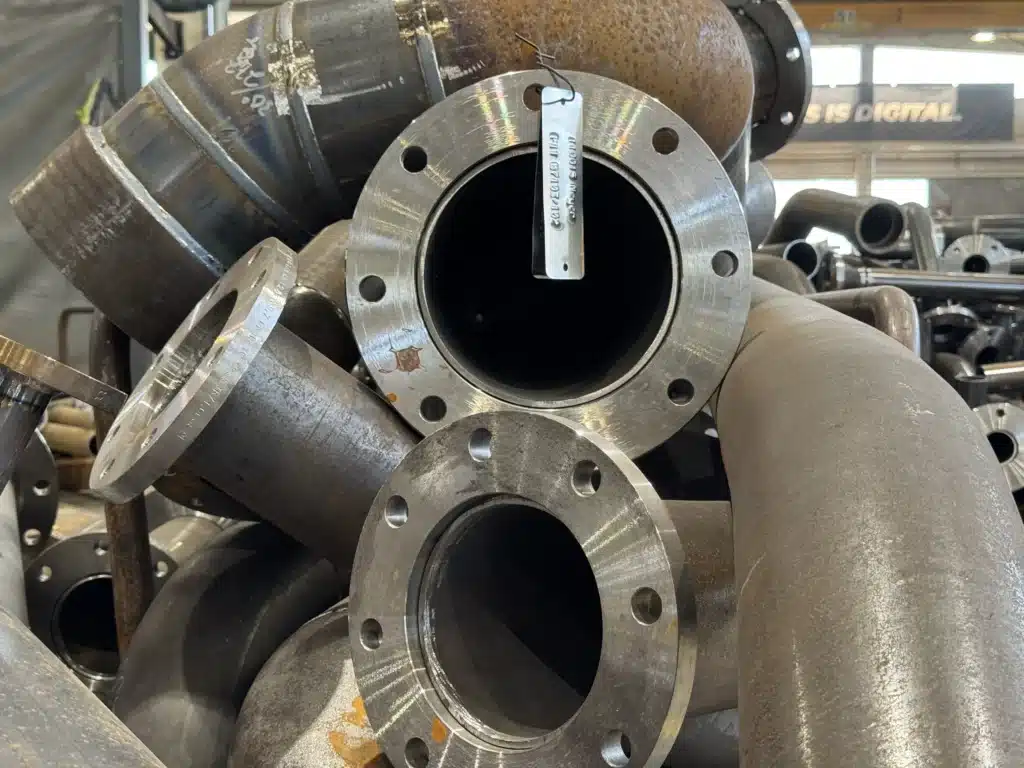
Pipe bending fabrication explained, covering methods, materials, defect prevention, and how bending fits spool fabrication workflows.
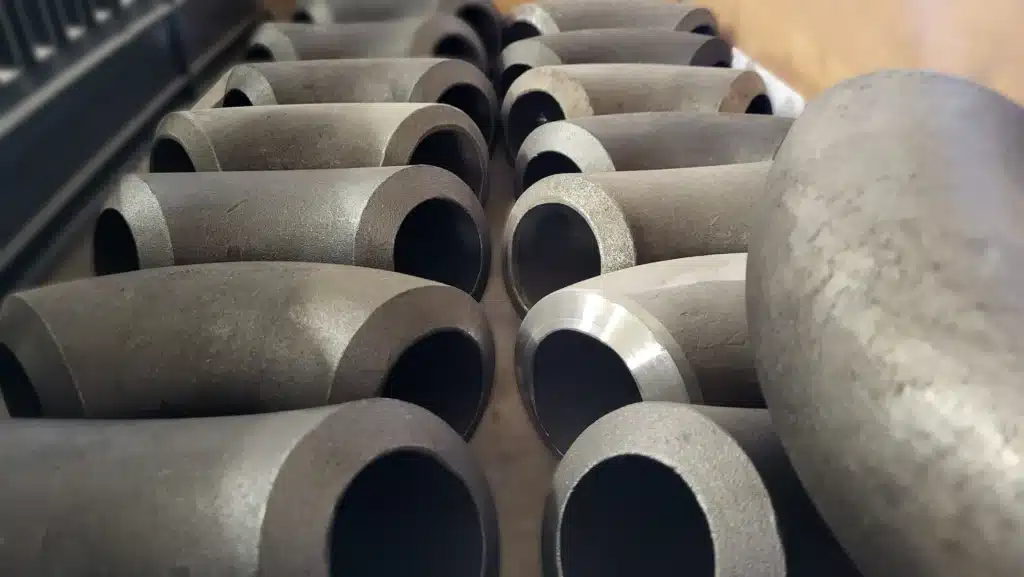
Real-time data cuts pipe fabrication costs fast. See which metrics drive ROI and how quickly results appear.
Work order automation in pipe prefabrication streamlines the assignment and tracking of fabrication tasks by automatically generating, distributing, and monitoring work orders based on engineering …
Digital transformation in pipe prefabrication replaces manual processes with automated systems that integrate CAD data, production planning, and real-time tracking. This shift eliminates spreadsheet-based workflows, …
Kanban in pipe fabrication management is a visual workflow system that tracks work orders and materials through production stages using digital boards and cards. It …
Automated work order assignment in pipe fabrication uses intelligent algorithms to match production tasks with available resources, equipment, and worker skills in real-time. This system …
Capacity utilization in pipe fabrication workshops measures how effectively you use your available production resources, including equipment, labor, and time. It represents the percentage of …
Kanban-style planning in pipe fabrication is a visual workflow management system that displays pipe spools and production tasks on digital boards, with columns representing different …